
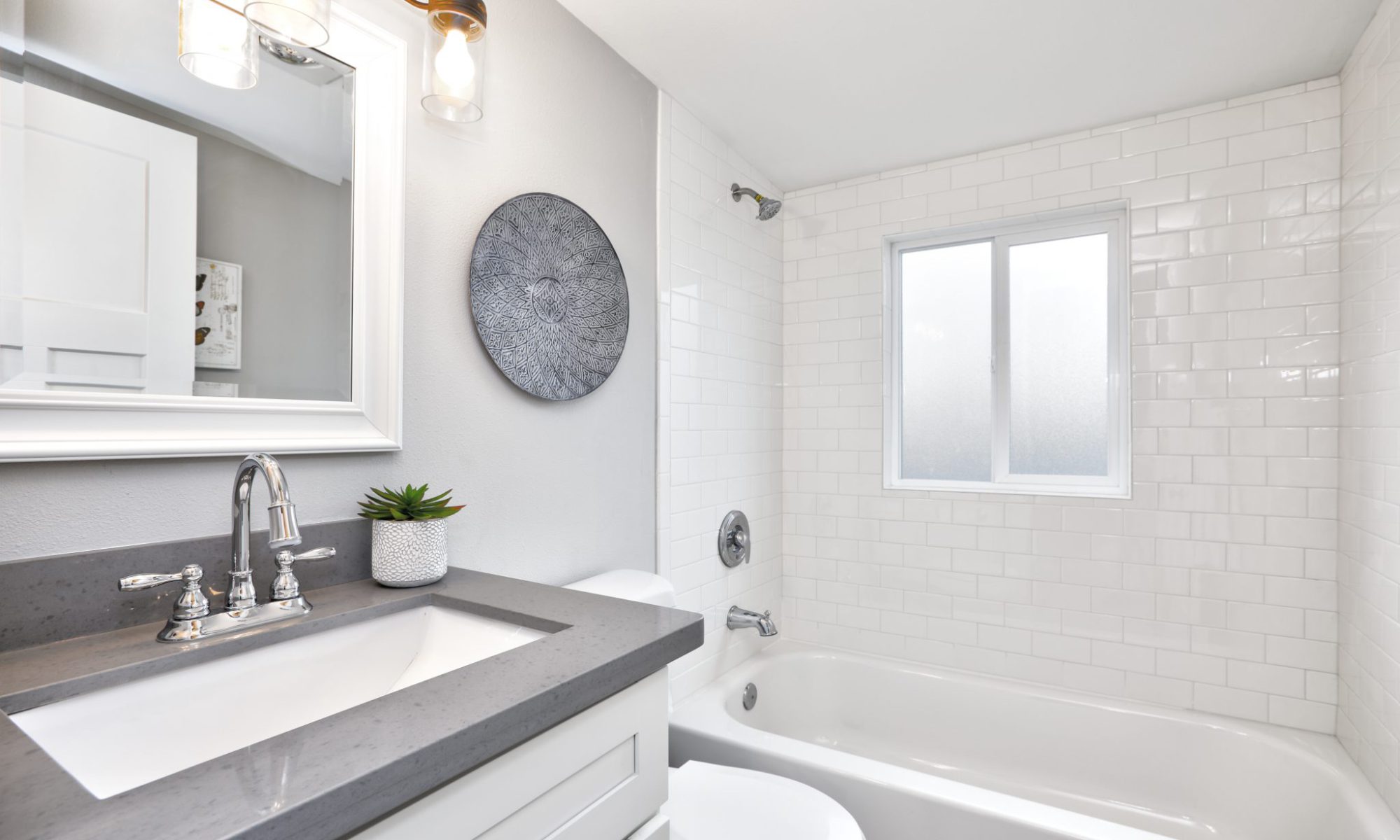
Are you considering a bathroom remodeling near Chicago but don’t know where to start? Remodeling your bathroom can not only increase the functionality and aesthetics of your home but also add significant value to it. However, diving into a bathroom remodel without proper planning can lead to unnecessary expenses and frustrations. Here’s an ultimate guide to help you plan and execute your bathroom remodel smoothly and efficiently.
1. Define Your Goals and Budget
Goals:
Begin by understanding why you are remodeling. Is it to update the style, improve the layout, increase resale value, or maybe enhance energy efficiency? Defining clear goals will help you make design decisions and prioritize your spending.
Budget:
Decide how much you are willing to spend. Remember to include a buffer of about 10-20% for unexpected costs. Costs can vary widely based on the quality of materials and the complexity of your project. Knowing your budget upfront will help guide your decisions on what to include in the remodel.
2. Design and Layout
Space Planning:
Consider how you use your bathroom. If multiple people use it at the same time, perhaps separate areas for different functions could be useful. Think about whether you need a bathtub or just a shower, or if you should incorporate double sinks.
Style and Aesthetics:
Choose a design that complements the overall style of your home. Are you going for a modern, minimalistic look, or something more classic and traditional? This will affect your choices in materials, colors, and fixtures.
3. Choosing Materials and Fixtures
Durability and Quality:
Select materials that can withstand the humid environment of a bathroom. Porcelain tiles, for instance, are durable for floors and walls. For countertops, materials like quartz resist stains and are low-maintenance.
Efficiency:
Consider water-efficient toilets, faucets, and showerheads to reduce water usage. These fixtures can provide significant savings on your water bill and are better for the environment.
4. Hiring Professionals
Finding the Right Contractor:
Get recommendations from friends or look for online reviews to find reliable contractors. It’s essential to have a contractor who communicates well and has a good reputation.
Permits and Regulations:
Ensure that your contractor handles all the necessary permits. Understanding local building codes and regulations is crucial to avoid any legal issues.
5. Timeline and Project Management
Setting a Timeline:
Discuss with your contractor about the timeline for the project. Knowing how long each phase of the remodel will take can help you manage your expectations and plan accordingly.
Managing the Project:
Stay involved in the project to ensure that everything is going according to plan. Regular check-ins with your contractor can help address any issues early on.
6. Handling Unexpected Issues
Be Prepared:
Unexpected problems such as mold, water damage, or structural deficiencies might come up. Having a contingency budget and flexible timeline can help manage these issues without much stress.
7. Final Touches
Accessories and Decor:
Once the main components of your remodel are complete, consider the accessories like mirrors, towel bars, and artwork. These elements can tie the whole room together and enhance the overall aesthetic.
A bathroom remodel is a significant undertaking, but with careful planning and execution, it can transform a functional space into a personal sanctuary while adding value to your home. By defining clear goals, choosing the right materials, and working with competent professionals, you can ensure that your bathroom remodel meets your expectations and stays within budget. Happy remodeling!