
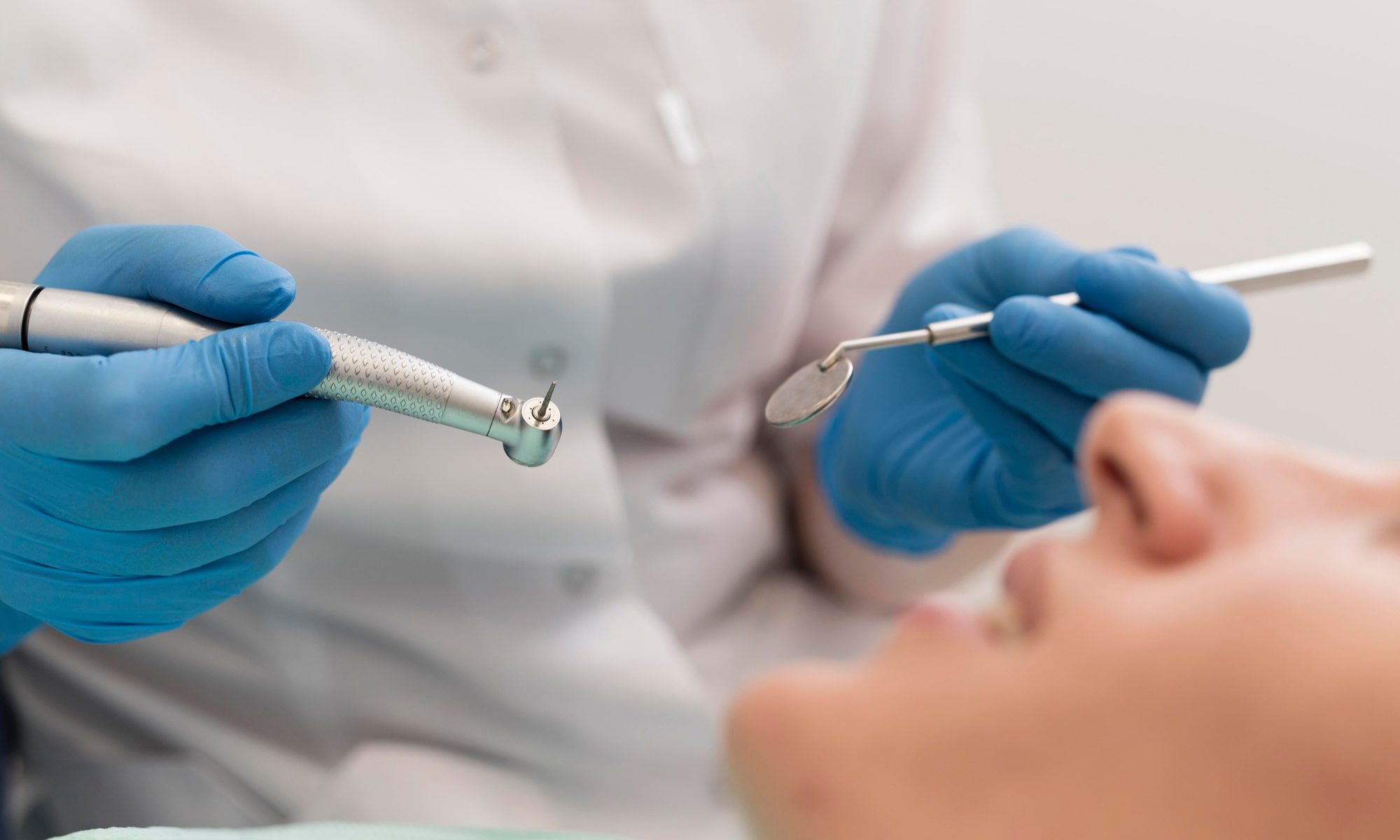
Tooth extractions are one of the most common procedures performed at a dental office near me, and while the thought of losing a tooth may seem intimidating, the process is routine and recovery is usually smooth—especially when you know what to expect.
Whether you’re having a wisdom tooth removed, a damaged tooth extracted, or preparing for an implant or denture, understanding the healing process can help you recover faster and avoid complications.
🦷 Right After the Procedure: The First 24 Hours
Once your dentist completes the extraction, they’ll place gauze over the area to help control bleeding and allow a blood clot to form. This clot is essential—it protects the bone and nerve endings and acts as the foundation for healing.
Here’s what you can expect and should do in the first 24 hours:
✅ What to Do:
- Bite down gently but firmly on the gauze for 30–60 minutes.
- Apply an ice pack to the outside of your cheek in 15-minute intervals to reduce swelling.
- Rest—avoid strenuous activity for the rest of the day.
- Keep your head elevated, even while sleeping.
- Take pain relievers as prescribed by your dental office.
🚫 What to Avoid:
- Don’t spit forcefully, rinse, or suck through a straw—these can dislodge the clot.
- Avoid smoking or using tobacco (for at least 72 hours).
- Don’t brush or floss near the extraction site.
😬 Common Sensations & Side Effects
It’s normal to experience:
- Mild to moderate pain at the site
- Swelling in your cheek or jaw
- Minor bleeding for a few hours
- Stiffness or soreness in the jaw
These symptoms typically improve within a few days. If pain or bleeding worsen after 24 hours, contact your dental office.
🛌 Days 2–3: Initial Healing
At this stage, the bleeding should have stopped, and the swelling may peak before starting to subside. You can begin gently rinsing with warm salt water (½ tsp of salt in a glass of water) to keep the area clean—just don’t swish too aggressively.
Continue to:
- Eat soft foods like mashed potatoes, yogurt, scrambled eggs, and smoothies.
- Avoid hot, spicy, crunchy, or acidic foods.
- Drink plenty of water and stay hydrated.
🦷 Day 4 and Beyond: Ongoing Recovery
Your mouth should be noticeably improving by now:
- Swelling and pain decrease
- A white or yellowish covering may appear over the socket (a normal part of healing)
- You can start easing back into your normal oral hygiene routine—just be gentle near the extraction area
What to Watch For:
If you experience severe pain days after the extraction, especially if it radiates to your ear or temple, you may have dry socket—a condition where the clot becomes dislodged, exposing the bone underneath. This requires prompt care from your dental office.
🧼 When to Call the Dental Office
Contact your dentist immediately if you experience:
- Persistent or worsening pain after 3 days
- Fever or chills
- Excessive bleeding that doesn’t stop
- Signs of infection (pus, swelling that worsens, foul odor)
🦷 Tips for a Smooth Recovery
- Don’t skip meals—your body needs energy to heal.
- Avoid alcohol while taking pain medication.
- Keep the area clean but don’t overdo it.
- Follow your dental office’s instructions carefully and attend any follow-up appointments.
Tooth extraction recovery is usually straightforward, especially when you take care of yourself and follow your dental office’s guidance. Every day gets a little better—and soon you’ll be back to smiling, chewing, and living your life comfortably.