
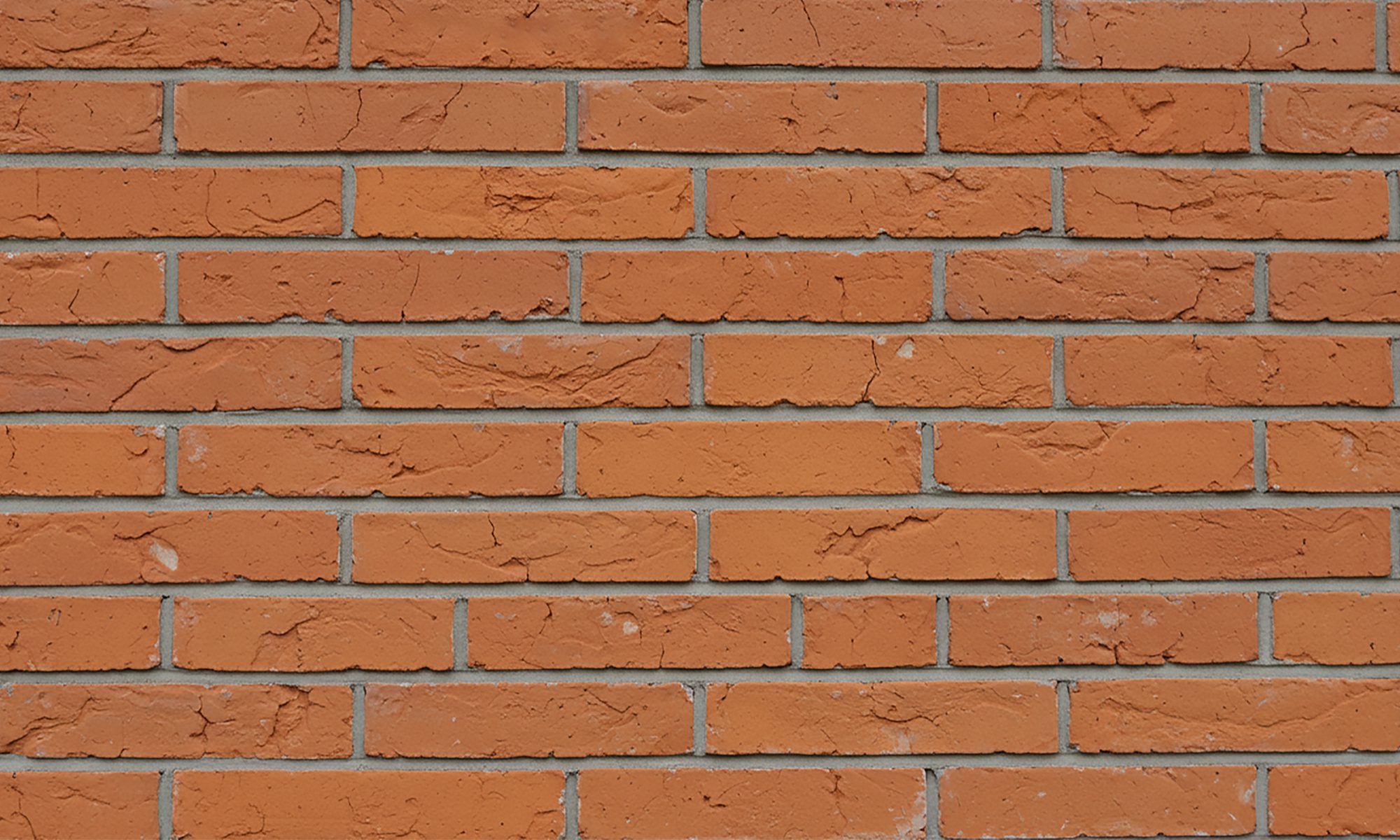
Tuckpointing is a vital part of brick maintenance, especially for chimneys, facades, and load-bearing walls. But when homeowners attempt to do it themselves, the results often fall short—and sometimes lead to irreversible damage.
Here’s what you need to know before you grab a trowel and go to work.
Tuckpointing Requires More Than Muscle
It’s not just scraping out mortar and stuffing in new paste. A successful tuckpointing job requires:
- Accurate depth cuts (¾” minimum)
- Complete debris removal
- Precise mortar matching
- Proper joint finishing
- Controlled curing for strength
Without experience and the right tools, even a small mistake can jeopardize the structure.
Long-Term Risks of DIY Work
- Weakened joints that fail under stress
- Inconsistent joints that lead to uneven wear
- Increased water absorption from poor finishes
- Mismatched appearance that reduces home value
Masonry contractors near me have the training and tools to avoid all these issues—and their work is backed by experience and (often) warranties.
What a Professional Masonry Contractor Brings
- Mortar analysis and matching
- Structural evaluation
- Joint protection and sealing
- Time-efficient completion
- A clean, polished final result
Hiring a pro means peace of mind and results that last.
DIY tuckpointing might seem simple, but it’s one of the most technical repair jobs in masonry. One bad mix or shallow joint can ruin a wall or chimney. Avoid the headache—and the expense—by working with licensed masonry contractors who know exactly what they’re doing.