
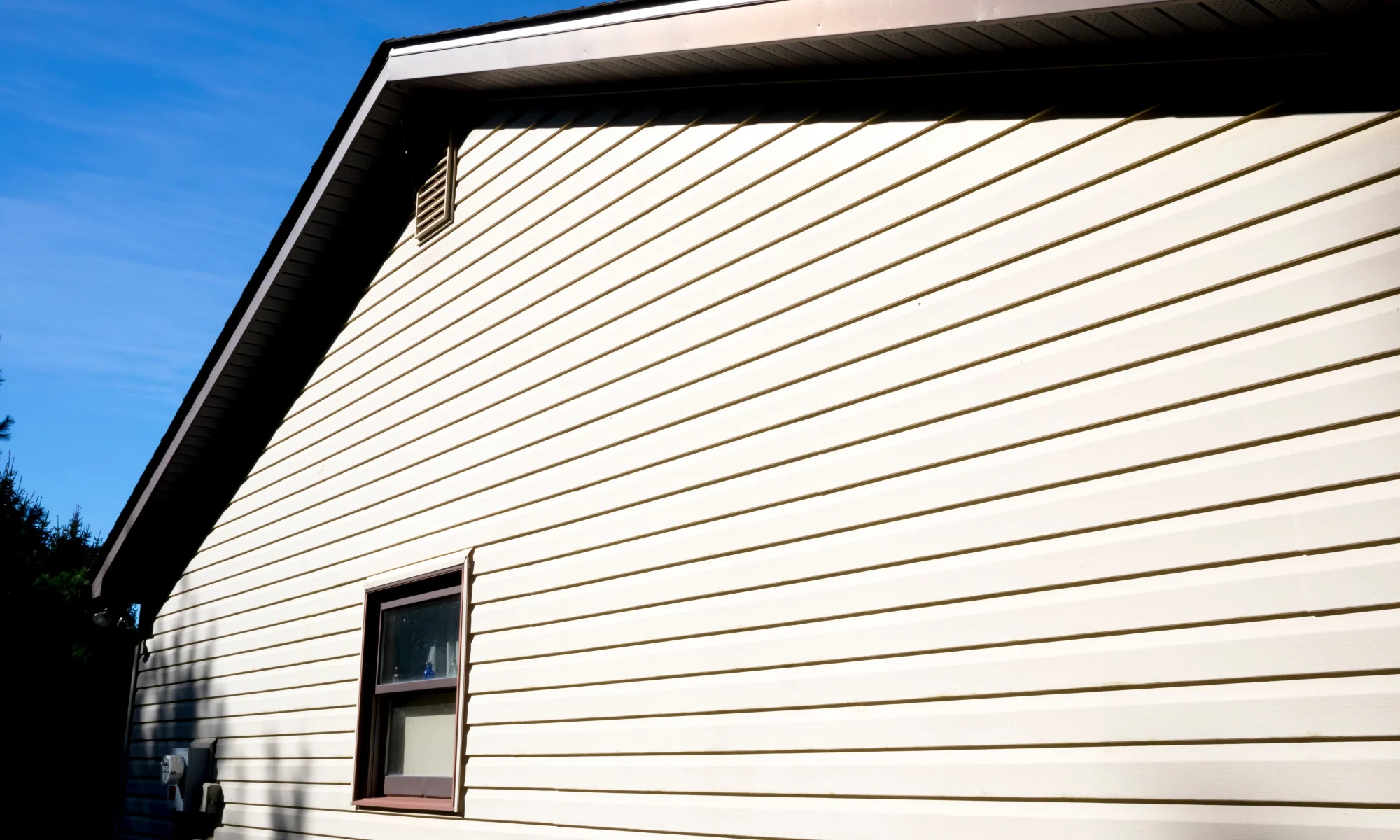
Your home’s siding is more than just an aesthetic feature—it serves as the first line of defense against the elements, enhancing curb appeal and protecting your property’s structural integrity. Proper maintenance can significantly extend the life of your siding, reducing the need for costly repairs or replacements down the line. As experienced siding contractors near me Algonquin, we’ve compiled expert tips to help you maintain various siding types effectively. Whether you have vinyl, wood, fiber cement, or other siding materials, these practical maintenance strategies will keep your exterior looking pristine for years to come.
1. Regular Cleaning
Vinyl Siding:
- Frequency: Clean vinyl siding at least twice a year to remove dirt, mold, and mildew.
- Method: Use a garden hose with a high-pressure nozzle. For stubborn stains, apply a mixture of mild detergent and water with a soft-bristle brush.
- Tip: Avoid using abrasive materials or harsh chemicals that can damage the siding surface.
Wood Siding:
- Frequency: Clean once a year to prevent mold and mildew buildup.
- Method: Use a gentle soap solution and a soft brush. Rinse thoroughly to remove all soap residues.
- Tip: Inspect for signs of rot or insect damage during cleaning and address issues promptly with the help of siding contractors.
Fiber Cement Siding:
- Frequency: Clean annually to maintain its durability and appearance.
- Method: Similar to vinyl siding, use a mild detergent and a soft brush. Rinse with a hose.
- Tip: Fiber cement is more resistant to pests and rot but still benefits from regular inspections by siding contractors to ensure integrity.
2. Inspect for Damage and Wear
Regular Inspections:
- Schedule bi-annual inspections, preferably in spring and fall, to identify any damage early.
- Look for cracks, chips, warping, or loose panels that could compromise your siding’s effectiveness.
Professional Assessment:
- Engage siding contractors to conduct thorough inspections, especially after severe weather events.
- Professionals can detect underlying issues that may not be visible to the untrained eye, such as moisture infiltration or structural weaknesses.
3. Address Minor Repairs Promptly
Small Cracks and Holes:
- For vinyl siding, use a vinyl repair kit to seal small cracks and holes.
- Wood siding may require patching with wood filler and repainting to protect against moisture.
Loose or Damaged Panels:
- Reattach loose panels using appropriate fasteners. If a panel is severely damaged, it might need to be replaced entirely.
- Fiber cement siding repairs should be handled by professionals to maintain structural integrity.
Tip: Timely repairs prevent minor issues from escalating into major problems, saving you time and money in the long run.
4. Repainting and Sealing
Wood Siding:
- Repaint or re-stain every 3-7 years, depending on the climate and exposure.
- Ensure proper sealing to protect against moisture and UV damage.
Fiber Cement and Other Painted Siding:
- Inspect paint for peeling or fading. Repaint as needed to maintain a protective barrier.
- Use high-quality exterior paint to enhance durability and appearance.
Vinyl Siding:
- While vinyl typically doesn’t require painting, ensure it remains clean and free from discoloration. If painting is necessary, consult siding contractors to choose the right paint and application method.
5. Ensure Proper Ventilation and Drainage
Prevent Moisture Buildup:
- Make sure gutters and downspouts are clear of debris to prevent water from pooling around your siding.
- Proper ventilation in attics and crawl spaces reduces moisture levels, protecting siding from rot and mold.
Check Flashing and Seals:
- Inspect the flashing around windows, doors, and other openings to ensure it’s intact and properly sealed.
- Replace or repair any damaged seals to prevent water infiltration.
Tip: Good drainage and ventilation are crucial for maintaining siding longevity, especially in areas with heavy rainfall or snow.
6. Protect Against Pests
Wood Siding:
- Regularly inspect for signs of termites, carpenter ants, or other wood-boring insects.
- Use appropriate treatments and consult siding contractors for pest control solutions if an infestation is detected.
Fiber Cement and Vinyl Siding:
- While these materials are less susceptible to pests, ensure that any adjacent wooden structures are protected to prevent pests from migrating.
7. Trim Landscaping
Avoid Direct Contact:
- Keep shrubs, trees, and other landscaping elements trimmed away from your siding to prevent moisture accumulation and physical damage.
- Overhanging branches can scrape or knock siding panels, leading to wear and tear.
Enhance Airflow:
- Properly trimmed landscaping promotes airflow around your home, reducing the risk of mold and mildew growth on your siding.
8. Hire Professional Siding Contractors
Expert Installation and Maintenance:
- Professional siding contractors ensure that your siding is installed correctly, minimizing future maintenance needs.
- They provide specialized services such as power washing, deep cleaning, and detailed inspections that go beyond regular homeowner maintenance.
Quality Repairs:
- For significant repairs or replacements, rely on siding contractors to use the right materials and techniques, ensuring lasting results.
Tip: Building a relationship with trusted siding contractors can provide ongoing support and expert advice, keeping your home’s exterior in top condition.
Maintaining your siding is essential for preserving your home’s appearance and structural integrity. By following these expert tips, you can extend the life of your siding, reduce the need for costly repairs or replacements, and keep your home looking beautiful year after year. Regular cleaning, inspections, prompt repairs, and professional assistance from experienced siding contractors are key components of an effective maintenance strategy. Invest time and effort into siding care today to enjoy a durable and attractive exterior tomorrow.