
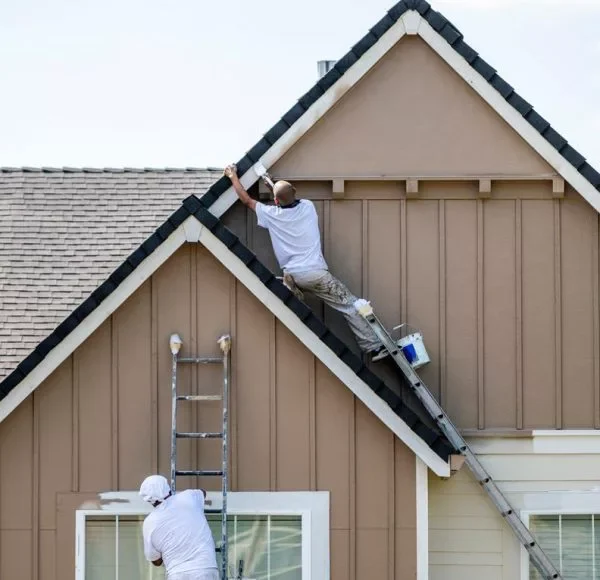
Embarking on a DIY siding project can be an exciting venture, but ensuring safety is paramount. While tackling the installation or replacement of your home’s siding on your own, it’s important to be aware of the various risks and challenges involved. Here are some critical safety tips to help guide you through your DIY siding project efficiently and safely, potentially saving you from the need to contact professional siding contractors near me in Downers Groove.
1. Get to Know Your Siding Material
Each type of siding material, whether it’s vinyl, wood, fiber cement, or aluminum, comes with its own handling specifications. For example, special precautions must be taken when cutting fiber cement due to the harmful silica dust it can release. Ensure you thoroughly understand the properties and requirements of the material you are using.
2. Invest in Proper Protective Gear
Safety gear is essential for any construction-related work, especially when it involves handling potentially hazardous materials. Essential items include:
- Safety glasses to protect against flying debris.
- Durable gloves to prevent cuts and abrasions.
- Ear protection when using noisy power tools.
- Dust masks or respirators, especially important for dusty operations.
- Non-slip boots to help prevent falls.
3. Maintain a Clean and Secure Work Environment
A well-organized workspace is key to preventing accidents. Keep all tools and materials neatly arranged and clear any obstacles from walkways. When working from heights, ensure ladders and scaffolding are stable:
- Verify the stability and appropriate weight capacity of ladders.
- Always keep your center of gravity within the ladder’s sides.
- Opt for scaffolding on larger jobs for a safer and more stable platform.
4. Be Cautious of Weather Conditions
Weather plays a significant role in the safety of siding installations. Postpone your project on days with poor weather conditions such as high winds, rain, or storms, which can make handling materials dangerous and surfaces slippery.
5. Handle Tools With Expertise
Knowing how to properly use your tools is crucial, particularly if you need to cut siding materials. Ensure you:
- Keep cutting tools sharp for efficient operation.
- Arrange power cords safely to avoid tripping or cutting hazards.
- Always follow the tool’s safety protocols and shut off power before making any adjustments.
6. Use Correct Lifting Techniques
Since siding materials can be heavy and awkward to handle, proper lifting techniques are vital to avoid back injuries:
- Lift using your legs rather than your back.
- Keep heavy loads close to your torso.
- Turn by moving your feet, not by twisting your spine.
7. Prioritize Electrical Safety
Exercise caution around electrical installations. Turn off power to avoid electrocution and be mindful of power lines, both overhead and embedded within walls.
8. Keep the Area Debris-Free
Regularly clean up debris and scrap materials to keep your workspace safe and navigable. Proper disposal of waste material also helps comply with environmental standards and local regulations.
9. Recognize When to Consult Professionals
Understanding when a project is beyond your skill level is important. If the installation becomes overly complex or hazardous, don’t hesitate to call in professional siding contractors. Their expertise can ensure the job is done safely and correctly, potentially saving you from future repair costs.
DIY projects like siding installation can enhance your home’s aesthetics and value, but they require careful planning and execution. By adhering to these safety tips, your project will not only be successful but also safe. If you find yourself in over your head, professional siding contractors are readily available to assist.