
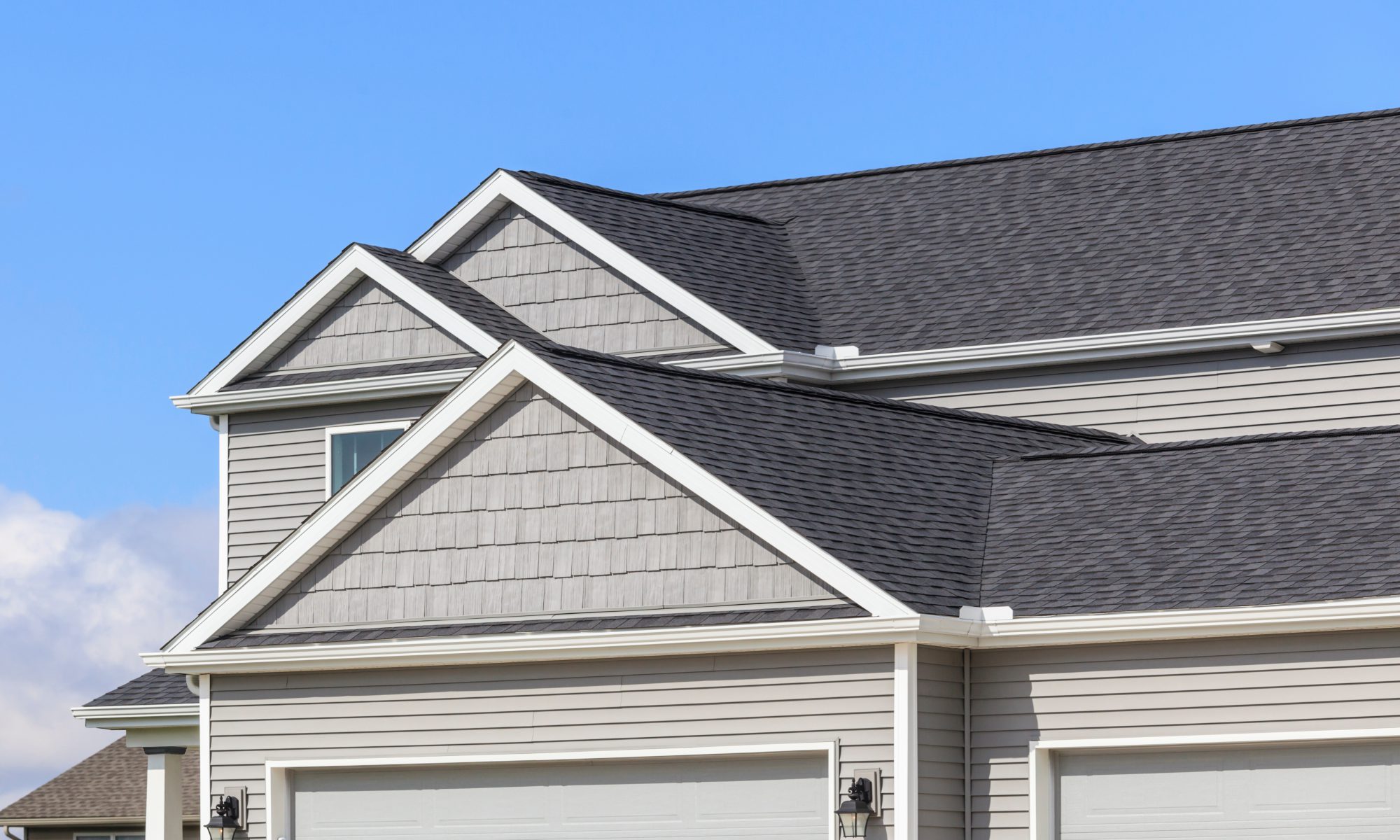
Replacing your home’s siding is a major investment that can significantly improve both its visual appeal and structural strength. However, understanding the associated costs and exploring various financing options can help you effectively manage your budget. In this comprehensive guide, we’ll explore the key cost factors involved in siding replacement and examine different financing avenues to make your project financially achievable. Whether you’re planning a complete exterior transformation or a partial update, partnering with experienced siding contractors near Wheeling, IL can ensure a seamless and cost-efficient renovation process.
Understanding the Cost Factors of Siding Replacement
Before starting a siding replacement project, it’s crucial to understand the different elements that affect the overall cost. Here are the primary cost factors to keep in mind:
1. Material Selection
The choice of siding material plays a significant role in the total cost. Common siding materials include:
- Vinyl Siding: Appreciated for its affordability and low maintenance, vinyl siding is a favored option for budget-conscious homeowners. Prices generally range from $2 to $7 per square foot.
- Fiber Cement Siding: Known for its durability and resistance to pests and fire, fiber cement siding is pricier, typically costing between $5 and $10 per square foot.
- Wood Siding: Valued for its natural beauty, wood siding demands more maintenance and costs approximately $6 to $12 per square foot.
- Metal Siding: Often chosen for modern or industrial looks, metal siding prices vary from $3 to $12 per square foot depending on the type and finish.
- Engineered Wood Siding: Combining the appearance of wood with increased durability, engineered wood siding costs around $4 to $9 per square foot.
Selecting the appropriate material involves balancing your aesthetic preferences, maintenance capabilities, and budget limitations.
2. Labor Costs
Labor is a major component of siding replacement expenses. Professional siding contractors typically charge between $1.50 and $4 per square foot for installation, depending on the job’s complexity and the region. Factors influencing labor costs include:
- Installation Complexity: Detailed designs, multi-story homes, or unique architectural features can elevate labor costs.
- Preparation Work: Removing old siding, repairing underlying structures, and ensuring proper insulation may require additional labor time and expenses.
- Geographic Location: Labor rates can vary based on local market conditions and the availability of skilled siding contractors in your area.
3. Additional Costs
Beyond materials and labor, several other expenses can impact your budget:
- Removal and Disposal of Old Siding: Properly removing and disposing of existing siding can add $1 to $3 per square foot to your total cost.
- Painting and Finishing: If your chosen siding material requires painting, factor in the cost of paint and labor, which can range from $0.50 to $2 per square foot.
- Insulation and Underlayment: Enhancing your home’s energy efficiency with additional insulation may increase costs but offers long-term savings on utility bills.
- Permits and Inspections: Depending on your location, you may need permits for siding replacement, which can cost anywhere from $100 to $500.
4. Home Size and Complexity
The size of your home directly affects the total cost. Larger homes require more materials and labor, increasing overall expenses. Additionally, homes with complex designs, multiple stories, or intricate architectural details may need more time and resources, further driving up costs.
5. Geographic Location
Prices for siding materials and labor can vary significantly based on where you live. Urban areas or regions with a higher cost of living typically have higher siding replacement costs compared to rural areas.
Financing Options for Siding Replacement
Understanding your financing options is essential for managing the cost of siding replacement. Here are several avenues to consider:
1. Home Improvement Loans
Home improvement loans are specifically designed to cover renovation projects like siding replacement. These loans often come with fixed interest rates and repayment terms, making it easier to budget for your project.
- Pros: Predictable payments, potential tax benefits if the improvements increase home value.
- Cons: Requires good credit, interest rates may be higher than other loan types.
2. Personal Loans
Personal loans offer flexibility and can be used for any purpose, including siding replacement. They typically have higher interest rates compared to home improvement loans but don’t require collateral.
- Pros: Quick approval process, no need for collateral.
- Cons: Higher interest rates, shorter repayment terms.
3. Home Equity Lines of Credit (HELOC)
A HELOC allows you to borrow against the equity in your home. These lines of credit often have lower interest rates and offer flexible repayment options.
- Pros: Lower interest rates, flexible borrowing and repayment.
- Cons: Your home serves as collateral, variable interest rates can lead to fluctuating payments.
4. Credit Cards
Using credit cards for siding replacement can be an option, especially for smaller projects. However, high interest rates make this a less favorable option for larger expenses.
- Pros: Convenience, potential rewards or cashback.
- Cons: High interest rates, potential for debt accumulation.
5. Contractor Financing
Some siding contractors offer in-house financing or partner with financing companies to provide loans to their clients. These options may come with promotional rates or deferred payments.
- Pros: Convenient application process, potential promotional rates.
- Cons: May require a credit check, terms vary by contractor.
6. Government Programs and Grants
In some cases, government programs or grants may be available to help fund home improvement projects, especially those focused on energy efficiency or disaster recovery.
- Pros: Potentially low or no-interest funding, support for energy-efficient upgrades.
- Cons: Limited availability, specific eligibility criteria.
Tips for Effective Budgeting
To ensure your siding replacement project stays within budget, consider the following tips:
- Get Multiple Quotes: Obtain estimates from several siding contractors to compare prices and services. This helps you identify competitive pricing and avoid overpaying.
- Prioritize Needs vs. Wants: Clearly distinguish between essential and optional aspects of the project. Focus on the must-haves to manage costs effectively.
- Plan for Contingencies: Set aside an additional 10-15% of your budget for unexpected expenses that may arise during the project.
- Choose Cost-Effective Materials: Opt for siding materials that offer the best balance of cost, durability, and aesthetics for your budget.
- Consider Long-Term Savings: Invest in energy-efficient siding options that can reduce utility bills and potentially qualify for tax incentives or rebates.
- Schedule Wisely: Plan your project during off-peak seasons when siding contractors may offer lower rates and greater availability.
Working with Siding Contractors
Collaborating with reputable siding contractors is key to a successful and budget-friendly siding replacement project. Here’s how to make the most of your partnership:
- Communicate Clearly: Share your budget constraints and preferences with your siding contractors to ensure they understand your financial limits and design goals.
- Request Detailed Estimates: Ensure that your estimates include all potential costs, such as materials, labor, removal of old siding, and any additional services.
- Ask About Financing Options: Inquire if your siding contractors offer financing plans or can recommend trusted financing partners to help manage the cost.
- Check References and Reviews: Verify the credibility of your siding contractors by reviewing testimonials and checking references to ensure you’re working with experienced and reliable professionals.
Budgeting for siding replacement involves careful consideration of various cost factors and exploring suitable financing options. By understanding the expenses associated with different materials, labor, and additional services, you can make informed decisions that align with your financial capabilities. Additionally, leveraging available financing options can make your siding replacement project more manageable and less financially burdensome. Partnering with skilled siding contractors ensures that you receive quality workmanship and valuable advice, helping you achieve a beautiful and durable exterior for your home without exceeding your budget. Start planning today to transform your home’s exterior with confidence and financial clarity.