
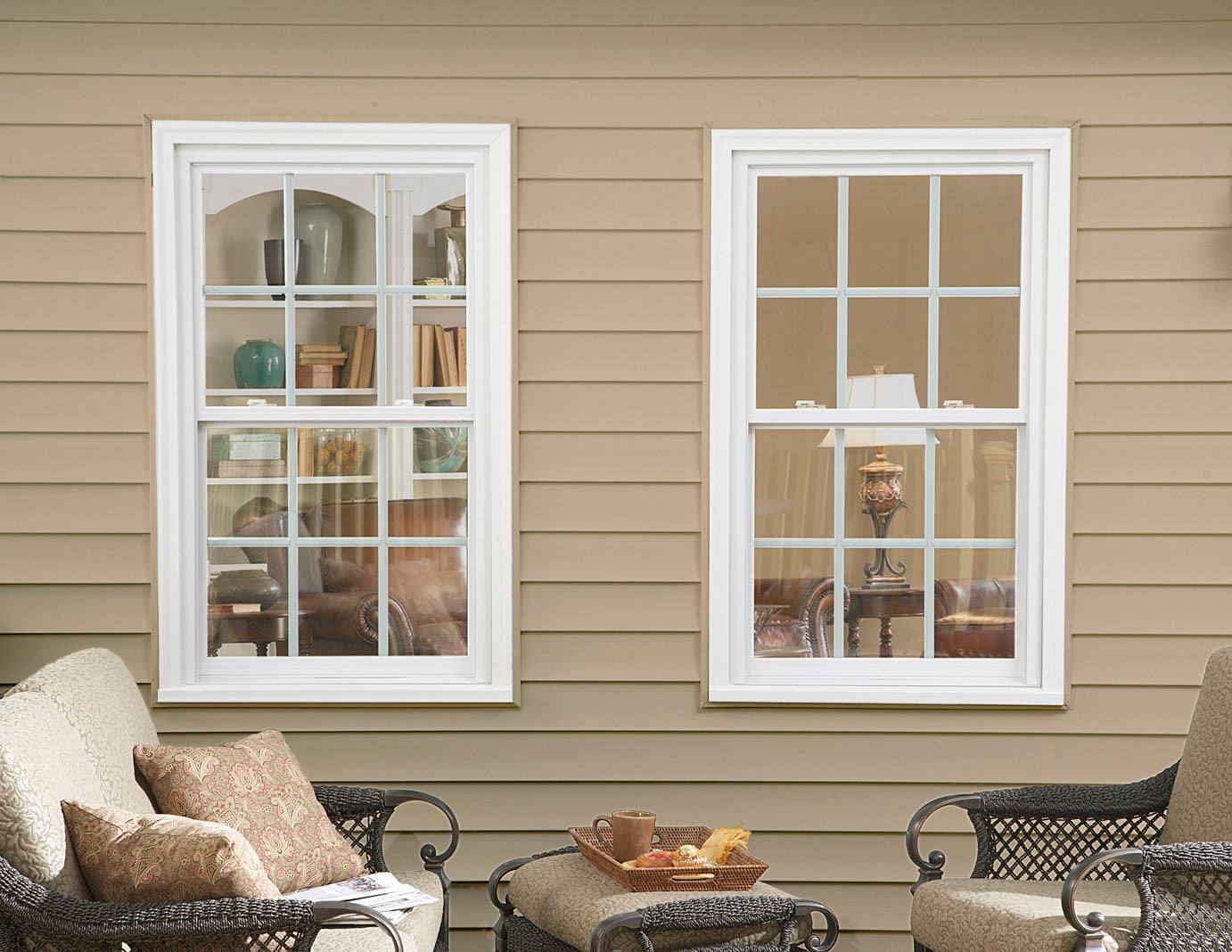
When embarking on a window replacement near me Prospect Heights, one of the critical considerations for homeowners is the warranty that accompanies their new windows. A robust warranty can provide peace of mind, ensuring that any defects or issues with your windows will be addressed by the manufacturer or installation company without additional costs. This post will guide you through understanding window warranties and what they typically cover, helping you make informed decisions during your window replacement project.
What is a Window Warranty?
A window warranty is a promise from the manufacturer or installer to stand behind their product or workmanship. Warranties for windows can vary significantly in terms of length, coverage, and what constitutes a valid claim. Generally, these warranties are designed to protect you from defects and ensure that your investment in window replacement provides the expected benefits and performance.
Types of Window Warranties
- Manufacturer’s Warranty: This type of warranty covers defects in the window itself, such as issues with the frame, glass, or hardware. It is provided by the company that manufactures the windows and typically lasts anywhere from 10 years to a lifetime, depending on the brand and product line.
- Workmanship Warranty: Offered by the window replacement company, a workmanship warranty covers the installation process. This warranty ensures that if problems arise due to improper installation, the issues will be rectified at no additional charge. The duration of this warranty can vary but often ranges from one to ten years.
Key Elements Covered in Window Warranties
- Frame and Sash: Most warranties will cover any defects in the frame and sash of the window, which are crucial for its overall function and efficiency.
- Glass: Coverage for the glass can include defects like seal failure, which results in condensation between double-pane windows. Some warranties may also cover glass breakage.
- Components: This includes moving parts like locks and handles, as well as balance systems that help windows operate smoothly.
- Installation: If the window replacement company provides a warranty on installation, it typically covers issues stemming from improper installation, such as leaks or drafts.
What Window Warranties Do Not Cover
It’s equally important to know what is not covered by your window warranty:
- Normal Wear and Tear: Regular usage and aging of the window can lead to wear that is not typically covered under warranty.
- Accidental Damage: Damages from accidents, storms, or human error are usually not covered unless you have a specific policy that includes accidental damage.
- Improper Maintenance: Failing to maintain your windows according to the manufacturer’s instructions can void your warranty.
Tips for Maximizing Your Warranty
- Understand the Details: Before finalizing your window replacement, thoroughly review the warranty documentation. Understand the duration, what is covered, and the procedure for filing a claim.
- Regular Maintenance: Follow the manufacturer’s guidelines for cleaning and maintenance. Regular maintenance not only prolongs the life of your windows but also ensures that your warranty remains valid.
- Save Documentation: Keep all receipts, contracts, and warranty documents in a safe place. These will be essential for any future claims or services needed under the warranty.
Warranties are a significant aspect of a window replacement project. They protect your investment and ensure that your new windows perform as expected for many years. By understanding what your window warranty covers and how to maintain your windows, you can ensure lasting satisfaction with your home improvement project. As always, choosing the right window replacement company with a solid warranty can make all the difference in the effectiveness and longevity of your new windows.